
Make AI work for your GTM motion
Not your tool stack
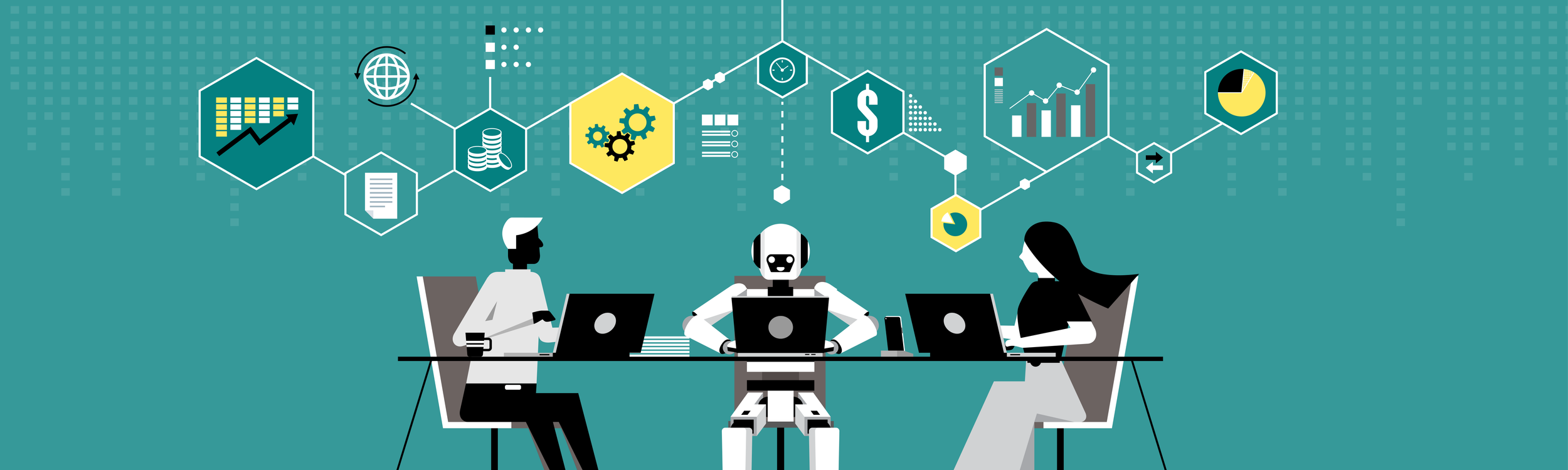
The AI conversation in B2B marketing has reached peak noise. Everyone’s selling something—platforms, agents, automation everywhere. But here's what's getting lost: most partner and demand teams aren't failing because they lack AI tools. They're struggling with execution that's too slow, too manual, and too disconnected.
According to recent research, 74% of companies struggle to achieve and scale value from AI adoption. The difference? Teams that apply AI to actual GTM bottlenecks versus those bolting shiny tools onto broken processes.
While you're evaluating vendors, your competitors are already using AI to identify co-sell opportunities 90 days earlier, convert marketplace visitors at 3x industry average, and prove partner ROI that secures 40% more budget allocation.
The real problem: Friction, not capability
Most GTM teams know what good looks like. They understand campaigns, partner activation, and co-sell motions. Yet execution consistently stalls in predictable places:
Planning cycles loop endlessly because everything starts from scratch
Data lives scattered across systems with no single source of truth
Activation relies on manual heroics that can't scale
Insights arrive after decisions are already made
Data and AI adoption has become table stakes in this environment, but the gap between strategy and execution continues widening for teams that delay.
Start with the motion, then choose the stack
The best AI implementations begin by asking "here does our GTM motion break down every time?" rather than "what tool should we buy?"
AI performs when it addresses specific friction points that prevent your team from executing consistently. In partner marketing, that typically means three zones:
GTM Planning & Readiness
Turn six-week planning cycles into one. AI can analyze CRM and partner data to surface high-potential joint accounts, build account prioritization frameworks, and run scenario models allowing teams to start from signal instead of scratch.
Research shows that by 2026, 65% of B2B sales organizations will transition from intuition-based to data-driven decision-making. The teams building this muscle now will dominate the next 24 months.
Partner & Demand Activation
Remove the manual lift killing consistency. AI can personalize campaign assets at scale, automate segmentation, optimize messaging by account and persona, and coordinate multi-channel activation without requiring custom builds every time.
The goal here is sustainable execution, not just impressive automation.
Operations & Insights
Stop chasing updates and start driving decisions. AI-powered attribution models, real-time signal detection, and automated reporting transform ops from an internal service desk into the system that keeps GTM moving.
Fix your foundation first
Here's the uncomfortable truth: AI scales whatever you give it—including broken processes.
Before adding new capabilities, most teams need to optimize what they already have:
Clean your inputs so outputs are trustworthy
Connect insights to workflows so they drive action
Standardize handoffs across teams and systems
Document processes well enough for AI to enhance them
Only 26% of marketers say their companies have internal AI-focused education and training. The majority are automating chaos.
Measure what matters
Partner marketing teams using AI strategically are seeing real results:
31% faster deal velocity in co-sell motions
45% improvement in marketplace conversion rates
52% reduction in campaign planning time
These outcomes require clear measurement frameworks from day one. Define attribution models upfront. Build governance aligned to your data reality. Track GTM improvement—cycle time, throughput, manual steps removed—rather than just efficiency gains.
Without the ability to measure AI's impact on pipeline and revenue, you're not ready to scale it.
Where to start: One motion, one win
Pick one high-impact GTM motion where friction costs you deals or time:
Partner activation workflows requiring too many manual touchpoints
Campaign planning taking weeks instead of days
Co-sell account mapping done in spreadsheets
Marketplace optimization with no systematic approach
Ask three questions:
Where does this motion slow down every time?
What creates the most manual lift?
What decision requires signal that arrives too late?
Start there. Build one automated workflow. Measure the impact. Then scale across planning, activation, and operations by making the motion easier to run, one workflow at a time.
AI that builds momentum
When applied correctly, AI feels like less drag in the system rather than a shiny experiment.
Planning moves faster. Activation happens without heroics. Ops drives outcomes instead of chasing updates. Execution becomes consistent and repeatable.
AI works when it helps your GTM motion perform—so work moves, teams stay focused, and momentum compounds.
Ready to operationalize AI in your partner marketing motion?
Download our comprehensive Partner-Led Growth Guide to discover how leading teams are applying data and AI to drive measurable co-sell performance, marketplace conversion, and pipeline acceleration—with detailed frameworks, implementation roadmaps, and real client results.