

Building an AI-ready operating model for Microsoft’s global events program

Situation
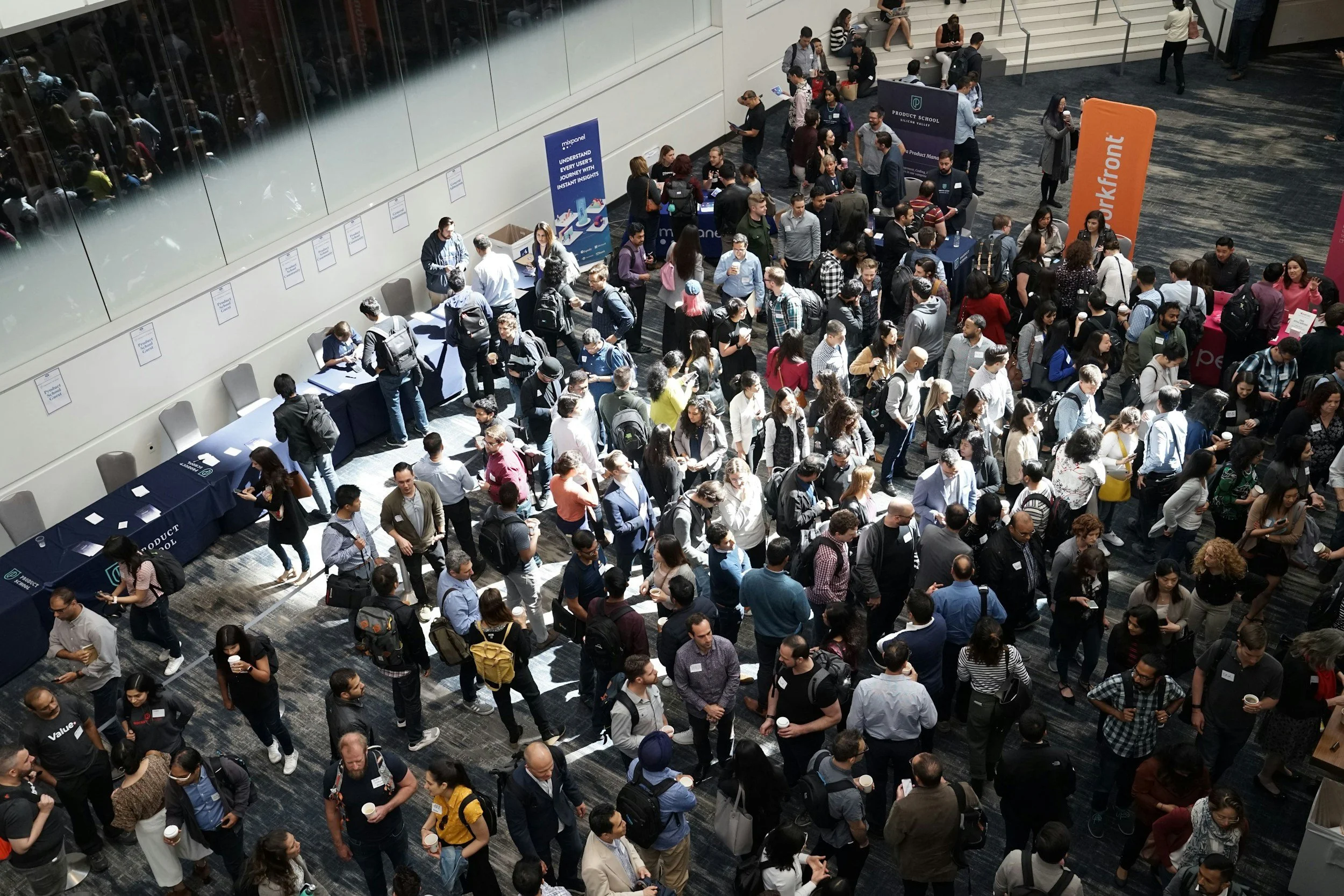
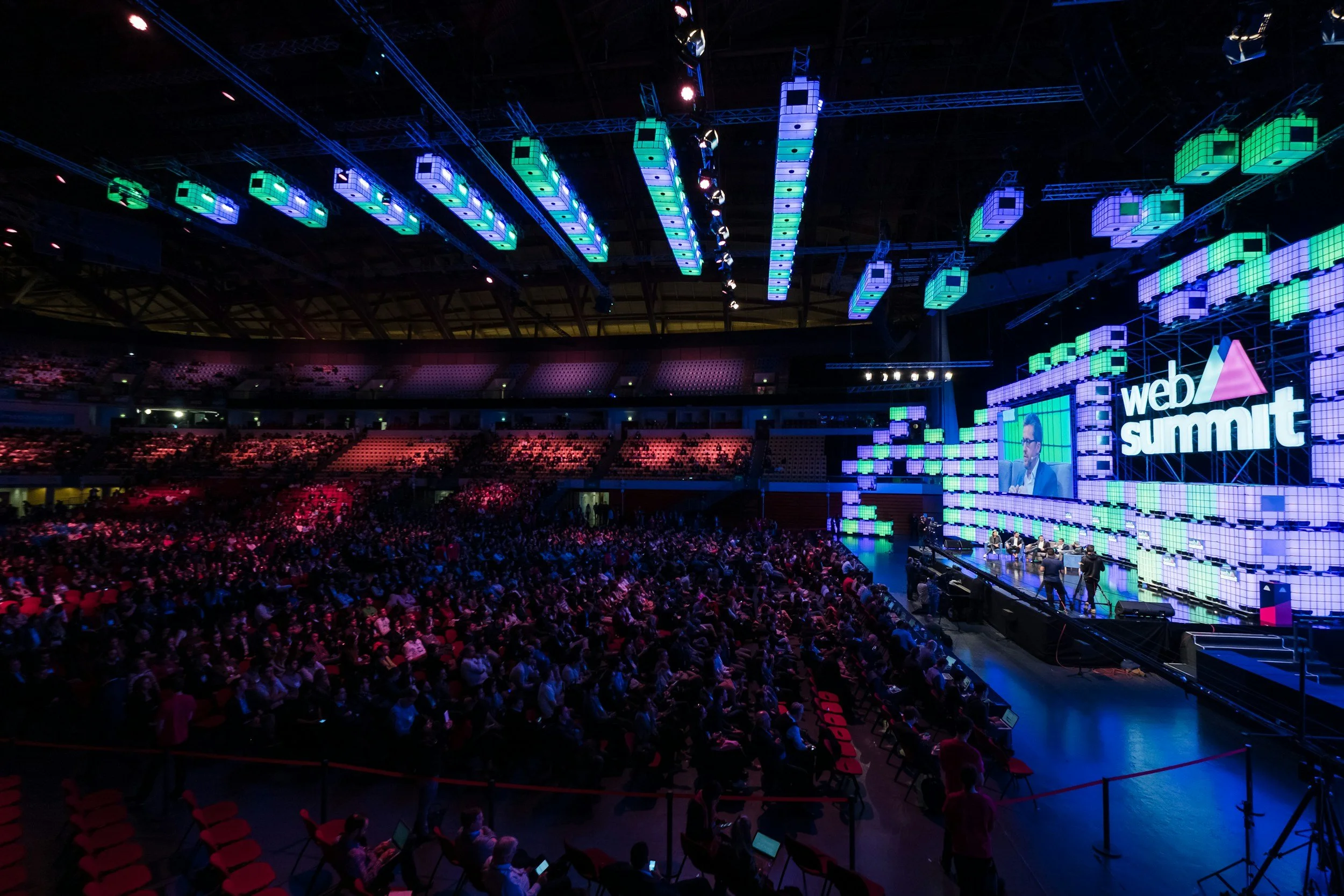
Microsoft needed to modernize one of the largest event portfolios in enterprise technology, spanning flagships like Ignite and Build, developer and skilling events, and a long tail of field and third-party activations. While individual events performed well, planning, delivery, and measurement were often executed independently, making it difficult to connect event investments to business outcomes.
Opportunity
The events themselves were strong. The opportunity was to build the system underneath them, one that operationalizes delivery with modern tools and automated workflows, so teams could put their focus on the attendee experiences that drive business outcomes.
Behind a program at this scale, much of that delivery was still handled custom and by hand. Events were planned in silos by a large internal team and an extensive supplier network, each one built from scratch. And success was measured by attendance, with little connection back to pipeline or revenue.
Each event worked on its own. Together they added up to a lot of operational lift. The repeatable work that a modern, automated system is built to carry made it difficult to understand which events were actually driving impact.
Insight
AI readiness was not the starting point. Knack determined that Microsoft first needed a connected operating system capable of producing consistent audience, engagement, and performance signals. Only then could AI improve planning and targeting.
Solution
Knack partnered with Microsoft to transform events from standalone activities into a connected growth engine.
Strategic architecture and governance: We developed a unified event portfolio framework that aligns every event to business objectives, target audiences, lifecycle stages, and measurable KPIs.
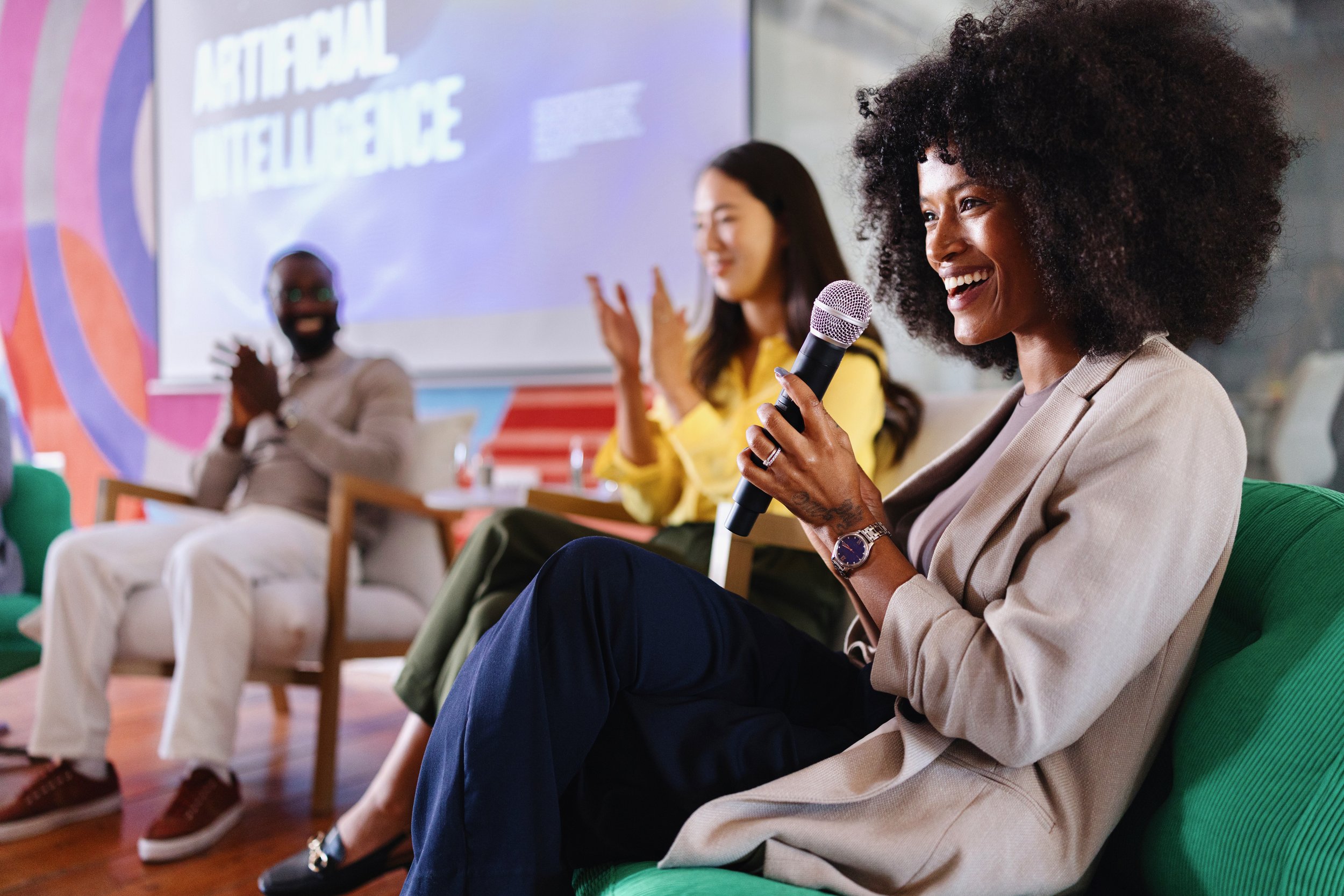
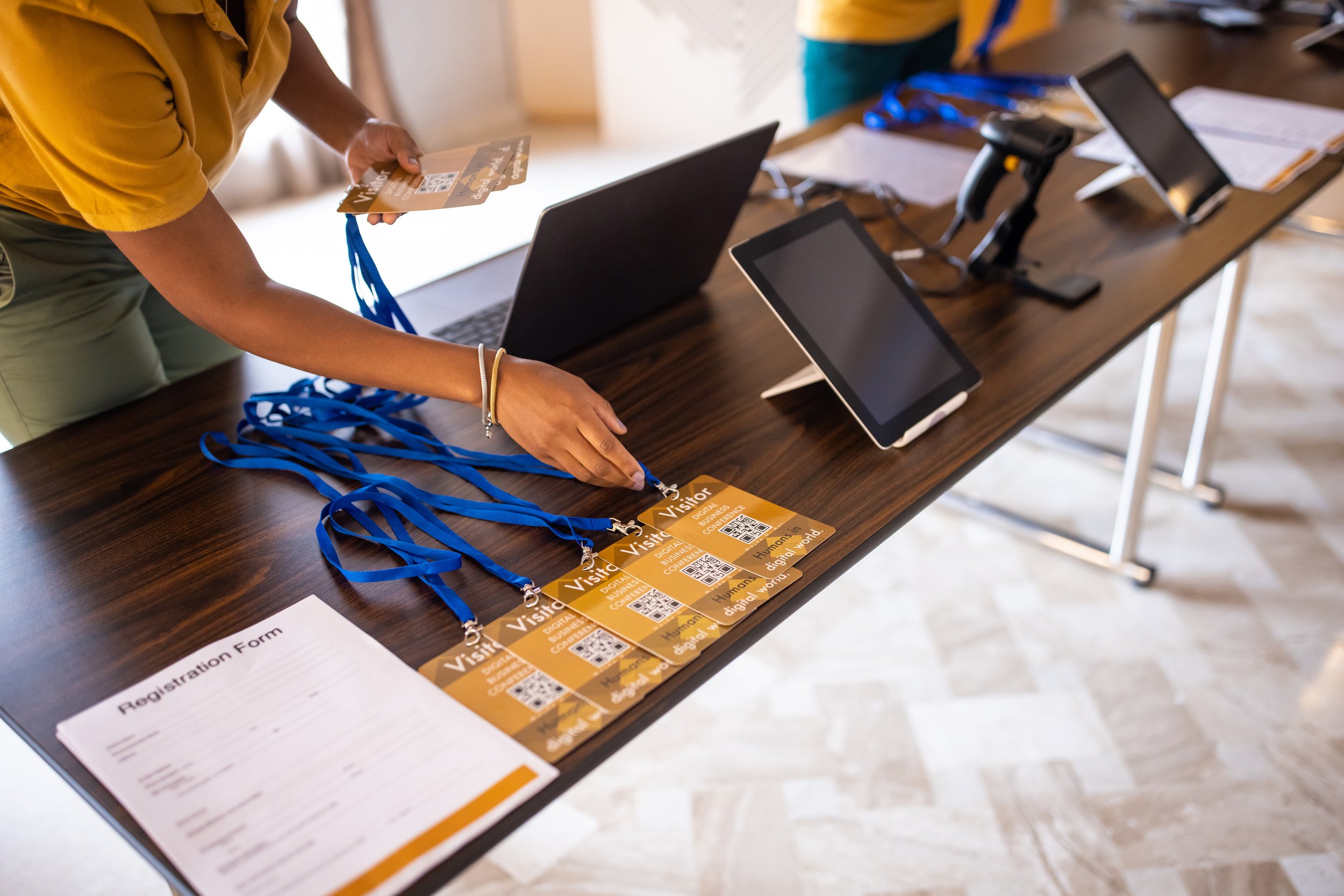
Modular delivery model: We created an Event-as-a-Service operating model with repeatable event formats, shared playbooks, and standardized workflows, enabling more efficient, consistent execution across teams and regions.
Connected technology and measurement: We designed an integrated targeting, measurement, and attribution framework that connects audience insights, account intelligence, event activation, and CRM-based pipeline reporting to demonstrate business impact.
Together, these elements established a scalable foundation for better decision-making, improved operational efficiency, and future AI-driven optimization.
Success
The initiative established a unified approach to event success, aligning teams around business outcomes rather than individual event metrics. Planning shifted from logistics-first discussions to outcome-driven decision-making, with agreement on the audience and account data required to measure impact. Microsoft also implemented a modular operating model designed to standardize event delivery across regions and teams, creating greater consistency and scalability across the portfolio. In addition, the foundational processes, data, and governance needed to support future AI-powered planning and targeting are now in place, positioning events as a connected growth engine that can be measured, optimized, and scaled over time.
Additional case studies
-

Driving enterprise migration demand with a precision, multi-wave ABM strategy
-

Boosting engagement and efficiency for organic social channels
-

Simplifying the search for tech solutions on Marketplace